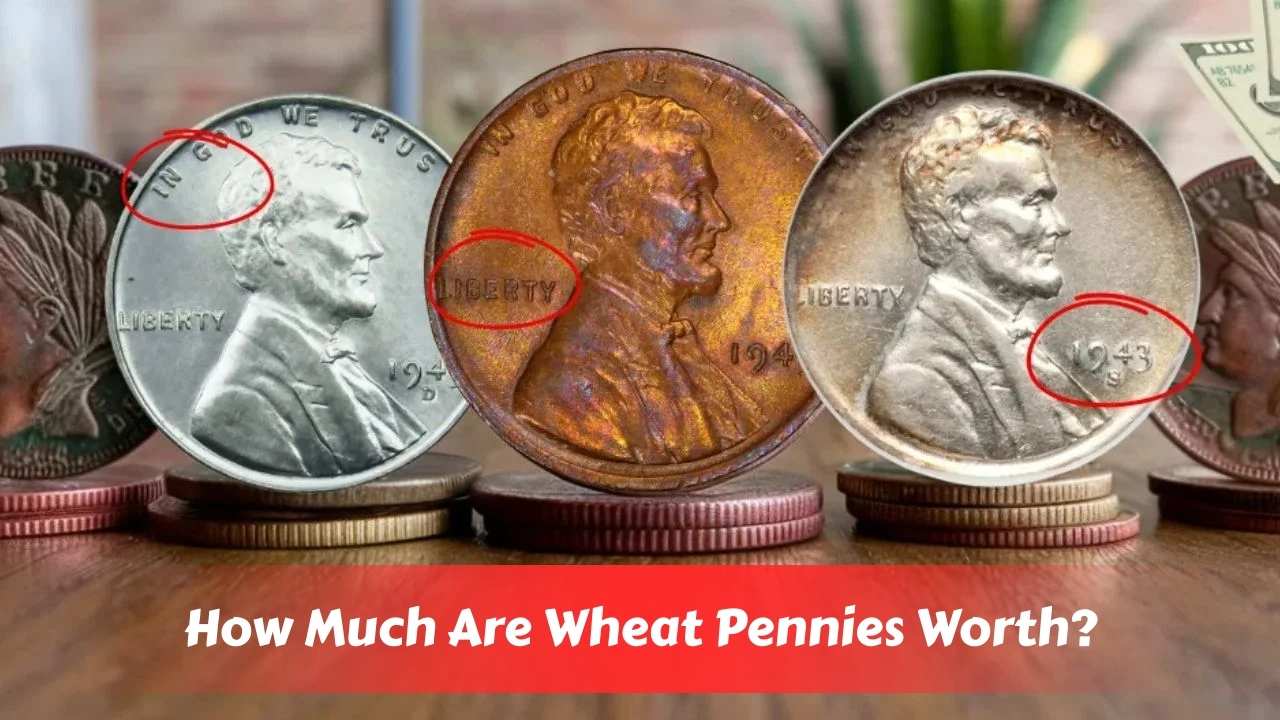
Wheat pennies are some of the most iconic coins in American history. Minted between 1909 and 1958, they carry both historical significance and collectible value. While many of these pennies are quite common, certain years and mint marks can make them surprisingly valuable. This guide will walk you through their origins, the years that matter most, and how collectors determine their worth.
The Birth of the Wheat Penny
The wheat penny made its debut in 1909, honoring Abraham Lincoln’s 100th birthday. Designed by Victor David Brenner, it was the first U.S. coin to feature a real person. The coin’s reverse displayed two wheat stalks, giving the penny its famous nickname. This simple yet memorable design remained in circulation for nearly five decades, making it a staple of American coinage.
Key Years That Determine Value
Some years of wheat pennies are far more valuable than others:
- 1909 VDB: The first year of issue, with Brenner’s initials “VDB” on the reverse, is highly prized.
- 1914-D: Minted in Denver, this coin is one of the rarest in the series.
- 1943 Steel Cent: Due to copper shortages during World War II, pennies were made of steel coated with zinc. These coins are unique and collectible.
- 1955 Double Die: This error coin, featuring a doubled image of the date and lettering, is highly sought after.
Each of these years tells a story about American history, and their rarity makes them valuable to collectors.
How Condition Impacts Worth
A wheat penny’s value isn’t just about the year it’s also about its condition, or “grade.” Coins in poor condition may be worth only a few cents, while a pristine, uncirculated coin could fetch hundreds or even thousands of dollars. Collectors look for sharp details, intact rims, and original luster when determining a coin’s grade.
The Role of Mint Marks
Mint marks indicate where a coin was produced:
- Philadelphia (no mark)
- Denver (D)
- San Francisco (S)
Some combinations of year and mint mark are extremely rare. For example, the 1909-S VDB or 1914-D can be worth significantly more than a common penny from the same year. A small letter beneath the date can be the difference between a collectible gem and a basic coin.
Why Wheat Pennies Remain Popular
Even decades after their production, wheat pennies are still widely collected. Many are found in old jars, inherited collections, or circulated change. For hobbyists, they represent a tangible connection to American history, from the Progressive Era to the postwar boom. Their combination of accessibility, history, and occasional rarity makes them appealing to both casual collectors and serious numismatists.
Building Your Collection
Collecting wheat pennies involves more than just monetary value. Many collectors study charts and guides to identify rare years and mint marks. Understanding the nuances of condition and grading helps set realistic expectations. Ultimately, a well-rounded wheat penny collection tells the story of nearly fifty years of American life.
Frequently Asked Questions
Q1: Which wheat pennies are the most valuable?
The 1909-S VDB, 1914-D, and rare 1943 copper pennies top the list. Their value depends on condition, ranging from hundreds to thousands of dollars.

Q2: Are all wheat pennies worth more than a cent?
No. Many common-year pennies in worn condition are only worth a few cents. Rarity and grade determine added value.
Q3: How can I find out what my penny is worth?
Check the date, mint mark, and condition. Using a coin guide or consulting a professional grading service provides a more accurate value.
Q4: What makes the 1943 steel penny special?
During World War II, copper was needed for military purposes, so the Mint used zinc-coated steel instead. These pennies are unique and highly collectible.
Q5: Should I clean my wheat pennies before selling?
No. Cleaning can damage the surface and reduce value. Collectors prefer original, untouched coins.