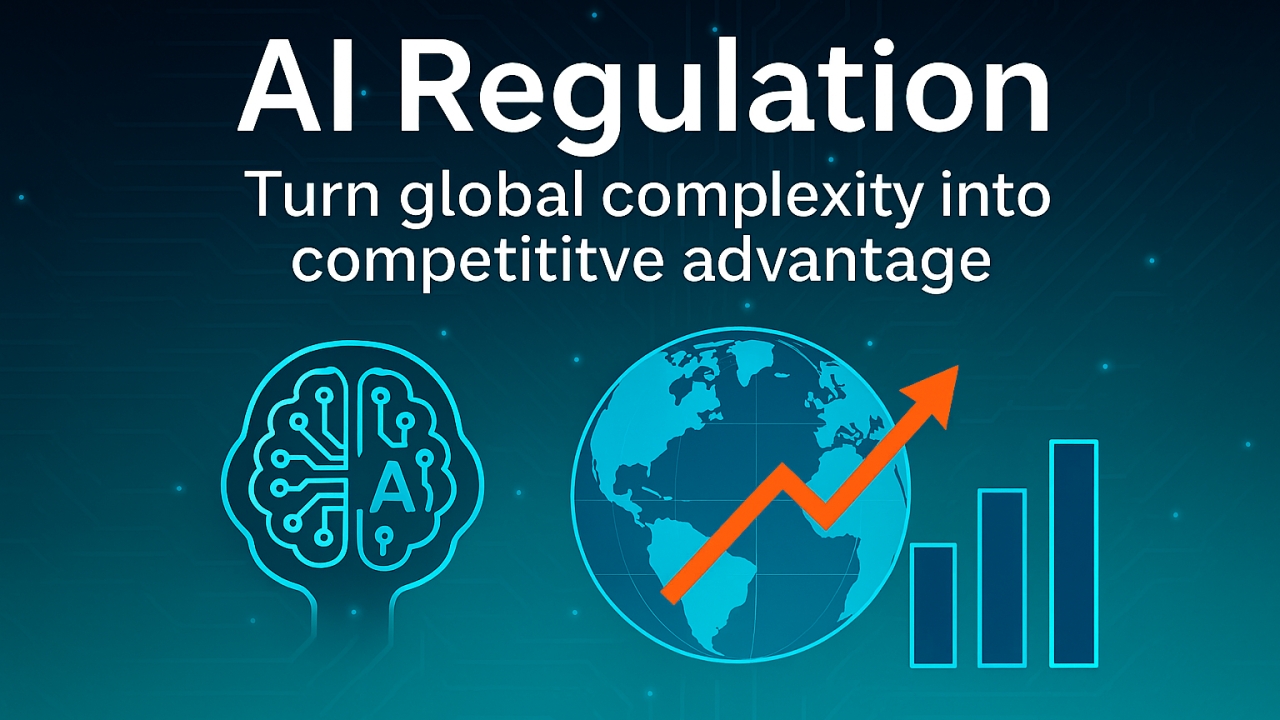
AI Policy & Governance 2026: Artificial intelligence is no longer an emerging concept—it is now deeply embedded in everyday systems, from financial services and healthcare to governance and national security. As AI capabilities expand, governments and organizations across the world are accelerating efforts to regulate its development and use. By 2026, AI policy and governance have evolved into a critical global priority, shaping how innovation is balanced with safety, ethics, and accountability.
This new era of digital regulation is not just about control; it is about building trust, ensuring fairness, and protecting societies from unintended consequences. Understanding how AI governance is unfolding can help businesses, developers, and policymakers navigate this complex landscape.
The Global Push for AI Regulation
In recent years, governments have moved quickly to establish frameworks that guide AI development. The European Union has taken a leading role with the EU AI Act, which categorizes AI systems based on risk levels. High-risk applications, such as those used in healthcare or law enforcement, are subject to strict compliance requirements.
Similarly, the United States has introduced policy guidelines emphasizing transparency and accountability, while China has focused on data security and algorithm control. These differing approaches highlight a broader trend: AI governance is becoming region-specific, shaped by political priorities, economic strategies, and cultural values.
Despite these differences, there is a shared understanding that unchecked AI development could lead to serious risks, including bias, misinformation, and privacy violations.
Key Principles Shaping AI Governance
By 2026, several core principles have emerged as the foundation of AI policy worldwide. Transparency is one of the most important. Organizations are increasingly required to explain how their AI systems make decisions, especially in critical areas like lending, hiring, and medical diagnosis.
Accountability is another key pillar. Governments are holding companies responsible for the outcomes of their AI systems, ensuring that there are clear lines of responsibility when things go wrong. This includes mechanisms for auditing algorithms and tracking decision-making processes.

Fairness and bias mitigation are also central concerns. AI systems trained on biased data can reinforce inequalities, making it essential to implement checks that ensure equitable outcomes across different populations.
Finally, privacy protection remains a top priority. With AI systems processing vast amounts of personal data, regulations are tightening to ensure that individuals retain control over their information.
The Role of Technology Companies
Technology companies are at the heart of the AI revolution, and their role in governance is becoming increasingly significant. Major players like OpenAI, Google, and Microsoft are actively developing internal policies to align with global regulations.
These organizations are investing heavily in responsible AI practices, including ethical review boards, bias detection tools, and transparency reports. In many cases, they are working alongside governments to shape policy frameworks, creating a collaborative approach to regulation.
However, this relationship is not without tension. Regulators must ensure that corporate interests do not overshadow public welfare, while companies must adapt quickly to evolving compliance requirements.
Challenges in AI Governance
Despite significant progress, AI governance in 2026 faces several challenges. One of the biggest is the pace of technological advancement. AI systems are evolving faster than regulatory frameworks can keep up, creating gaps that can be exploited.
Another challenge is the lack of global standardization. Different countries have different rules, making it difficult for multinational companies to operate consistently across borders. This fragmentation can slow innovation and increase compliance costs.
Enforcement is also a major issue. Even with strong regulations in place, ensuring compliance requires robust monitoring systems and enforcement mechanisms. Without these, policies risk becoming ineffective.
There is also the challenge of balancing innovation with regulation. Overly strict rules could stifle technological progress, while insufficient oversight could lead to harmful consequences. Finding the right balance remains a key focus for policymakers.
AI Governance in DevOps and Engineering Workflows
From a DevOps perspective, AI governance is no longer a separate concern—it is integrated into the development lifecycle. Teams are embedding compliance checks into CI/CD pipelines, ensuring that AI models meet regulatory standards before deployment.
This includes automated testing for bias, monitoring data quality, and maintaining audit logs for model decisions. Infrastructure tools are being adapted to support governance requirements, enabling real-time monitoring and reporting.
For example, model versioning and traceability have become essential components of AI systems. These practices allow teams to track changes, identify issues, and ensure accountability throughout the lifecycle of an AI application.
Security is another critical aspect. As AI systems become more complex, they also become more vulnerable to attacks. DevOps teams are implementing advanced security measures to protect models and data from threats.
The Future of AI Policy and Global Collaboration
Looking ahead, global collaboration is expected to play a larger role in AI governance. International organizations and alliances are working to create shared standards that can bridge regulatory gaps between countries.

Efforts are also being made to establish ethical guidelines that go beyond legal requirements. These frameworks aim to ensure that AI is developed and used in ways that align with human values and societal goals.
Education and awareness will also be key. As AI becomes more widespread, it is important for individuals and organizations to understand how these systems work and what their implications are.
By 2026, AI policy is not just about regulation—it is about shaping the future of technology in a way that benefits everyone.
Conclusion
AI governance in 2026 represents a turning point in the relationship between technology and society. As regulations become more sophisticated, they are helping to create a safer and more accountable AI ecosystem. At the same time, challenges remain, requiring ongoing collaboration between governments, companies, and communities.
Navigating this evolving landscape requires a proactive approach. Organizations must stay informed, adapt to new rules, and integrate governance into their workflows. Those who do will not only remain compliant but also build trust and credibility in an increasingly regulated digital world.
