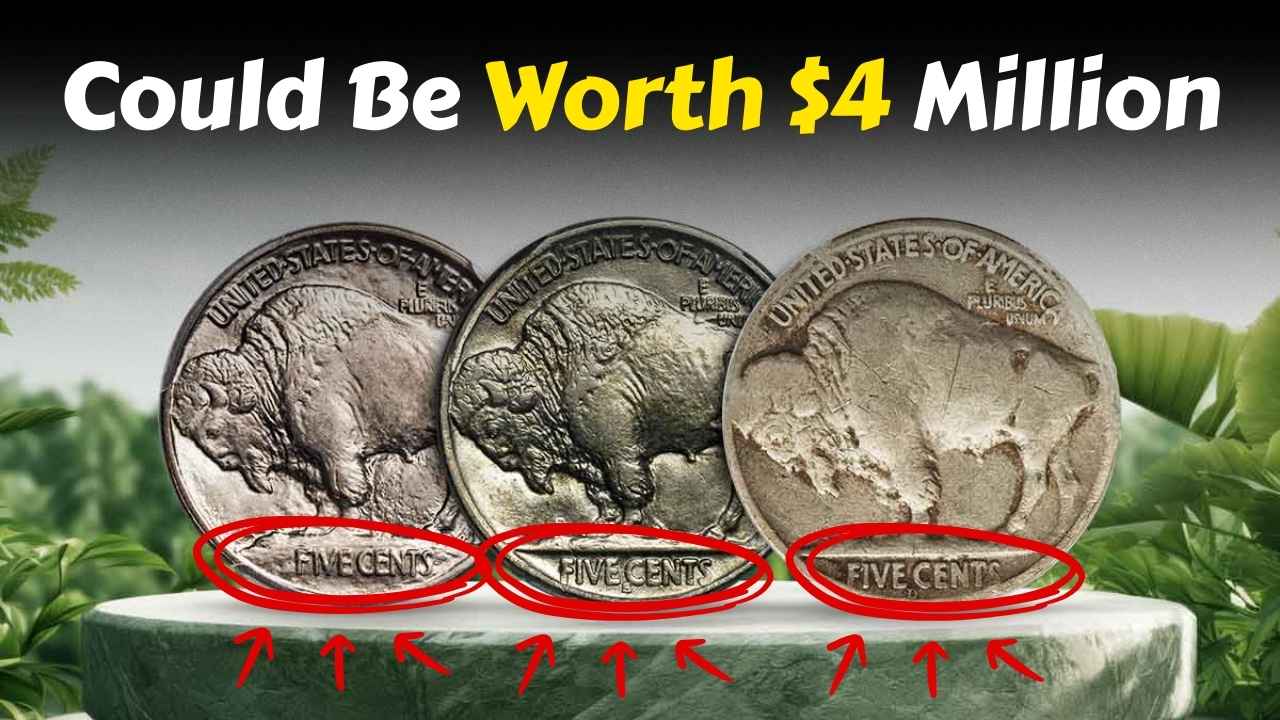
Have you ever thought that a simple coin lying in your pocket could make you a millionaire? Believe it or not, one special version of the 1976 Bicentennial Quarter has created buzz among collectors, with some rare pieces valued as high as $4 million. While most quarters from that year are worth only 25 cents, a few rare types stand out as true treasures. Let’s uncover what makes them so special and how you can identify if you have one.
A Quick Look at the Bicentennial Quarter’s History
The year 1976 was iconic it marked 200 years of American independence. To celebrate, the U.S. Mint released unique bicentennial coins, including a redesigned quarter. Instead of the usual bald eagle on the reverse side, these coins featured a Revolutionary-era drummer boy, a victory torch, and thirteen stars symbolizing the original colonies. On the front, George Washington remained, but the date was changed to 1776–1976, making these coins instantly recognizable.
Why Some Quarters Are Worth Millions
Not every bicentennial quarter is rare, but a few special ones are:
- Silver Strikes: Some were minted in 40% silver instead of the standard copper-nickel.
- Proof Coins: Specially made for collectors, these coins have sharp details and a mirror-like shine.
- Minting Errors: Double strikes, missing designs, or off-center prints can skyrocket a coin’s value.
These rare variations are the real gems that collectors will pay extraordinary amounts for.
How to Spot a Rare 1976 Quarter
If you’re curious whether your quarter is special, here’s what to check:
- Mint Mark: Look near Washington’s ponytail. A “D” means Denver, while an “S” indicates San Francisco often linked to silver or proof coins.
- Weight Test: Regular quarters weigh 5.67g, while silver ones are slightly heavier at around 6.25g.
- Finish & Shine: Proof coins appear glossier, almost like a mirror.
- Errors: Unusual features like misaligned designs are often highly prized.
- Sound Test: Silver coins produce a distinct ringing sound when tapped compared to regular ones.
Why Collectors Pay So Much
Collectors aren’t just buying metal they’re buying history, rarity, and condition. A pristine silver strike or error coin can fetch millions simply because it’s unique or extremely limited in supply. For some, owning such a coin is like holding a tiny piece of American history.
What to Do If You Think You Have One
Don’t spend it! Instead, have your coin checked by a professional appraiser or a reputable coin dealer. Trusted auction houses and online platforms also specialize in rare coins and can give you an accurate estimate of its worth.
Quick Identification Guide
| Feature | What to Check |
|---|---|
| Mint Mark | “S” (San Francisco) is most valuable |
| Material | Silver coins weigh ~6.25g |
| Design | Drummer boy with “1776–1976” |
| Finish | Proof coins are extra shiny |
| Errors | Look for misprints, double strikes |
| Sound | Silver rings differently than copper-nickel |
FAQs
Q: Are all 1976 Bicentennial Quarters rare?
No. Most are common and worth just 25 cents, but rare silver strikes or error coins can be worth a fortune.
Q: How do I know if my coin is silver?
Check its weight and sound. Silver is heavier and produces a brighter ring.
Q: Can I still use these quarters as regular money?
Yes, but if yours is rare, you’d be losing thousands (or millions) by spending it!
Habonimana Samson